
Ultimate Selection of Demolition Service Products for Contractors
Browse a curated list of essential tools and equipment tailored to meet the demands of professional demolition contractors.
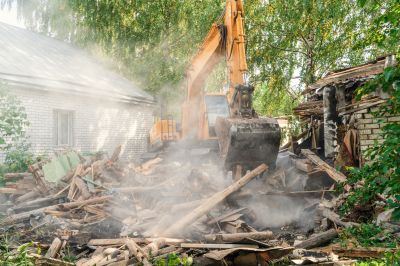 Demolition projects in Clayton, NC often require a diverse range of tools and equipment to ensure the process is efficient, safe, and effective. From small-scale interior demolitions to large structural tear-downs, having the right products is essential for achieving desired results while maintaining safety standards. Proper equipment can help minimize debris, improve productivity, and reduce the risk of accidents on site.
Top Overall Option
Heavy-Duty Demolition Hammer
A versatile and powerful demolition hammer is a key tool for breaking through concrete, brick, and other hard materials. Designed for durability and ease of use, it can handle a variety of demolition tasks with precision and control, making it a valuable addition to any demolition toolkit.
Types of Products For Demolition Service
Demolition Hammers
Electric or pneumatic hammers used for breaking concrete, brick, and stone during demolition projects.
Reciprocating Saws
Power saws ideal for cutting through wood, metal, and drywall in demolition tasks.
Concrete Saws
Specialized saws designed for cutting concrete and asphalt with precision.
Hydraulic Breakers
Heavy machinery attachments that deliver powerful impacts for breaking large structures.
Hand Tools
Manual tools such as crowbars, sledgehammers, and pry bars for detailed demolition work.
Dust Extraction Systems
Equipment to control dust and debris during demolition to improve site cleanliness and safety.
Safety Gear
Protective equipment including helmets, goggles, gloves, and respirators to ensure worker safety.
Debris Containers
Heavy-duty dumpsters and debris chutes for efficient debris removal from the site.
Wrecking Balls
Traditional large balls used for knocking down masonry and structural elements.
Rotary Hammers
Power tools used for drilling into concrete and masonry during demolition.
Jackhammers
Portable pneumatic tools for breaking up pavement, concrete, and other hard surfaces.
Cutting Torches
Gas-powered tools for cutting through metal and other tough materials.
Scaffolding and Ladders
Support structures to access high or difficult-to-reach demolition areas safely.
Vibratory Plate Compactors
Equipment used to compact soil and debris after demolition work.
Air Compressors
Power sources for pneumatic tools used in demolition tasks.
Material Lift Equipment
Tools and machinery for lifting and moving heavy debris or materials.
Water Suppression Systems
Systems to control dust and debris during demolition activities.
Popular Choices
Powerful manual tools for breaking concrete and masonry with ease.
Versatile tools for cutting, grinding, and scraping during demolition projects.
Compact saws suitable for cutting metal and concrete in tight spaces.
Accessories that connect to power tools to reduce airborne debris.
Protective headgear combined with face shields for comprehensive safety.
Durable bags designed for collecting and transporting demolition debris.
Attachments for excavators that facilitate powerful demolition tasks.
Power sources for tools and equipment in remote demolition sites.
Machines designed to crush concrete into manageable sizes for removal.
Equipment to prevent falls and ensure safety when working at heights.
Compaction equipment used after demolition to prepare surfaces.
Tools for lifting and supporting heavy structures during partial demolition.
Protective barriers to safeguard workers from falling debris.
Lighting equipment for working safely in low-light conditions.
Soundproofing equipment to minimize noise pollution during demolition.
Supports used to stabilize structures during partial demolition.
Automated machinery designed for precise concrete removal in complex projects.
Understanding the variety of available demolition tools can assist contractors and DIY enthusiasts in selecting the most suitable products for their specific needs. Whether you're dismantling a wall, removing flooring, or tearing down entire structures, there are specialized tools designed to handle each task efficiently. The right equipment not only speeds up the process but also ensures cleaner, more controlled demolition work.
Safety is a critical consideration in demolition activities. Using appropriate protective gear and machinery helps prevent injuries and ensures compliance with safety regulations. Additionally, selecting durable, high-quality tools can lead to longer equipment life and better performance over time.
In Clayton, North Carolina, professionals and homeowners alike benefit from a wide array of demolition products tailored to different project sizes and complexities. Investing in the right equipment can make demolition projects smoother, safer, and more manageable, whether it involves small renovations or large-scale tear-downs.
Key Buying Considerations
- Project scale and scope to determine the appropriate size and power of equipment.
- Material types involved in demolition, such as concrete, wood, or metal, to select suitable tools.
- Safety features and protective gear to ensure compliance with safety standards.
- Durability and build quality for prolonged use in demanding environments.
- Ease of operation and ergonomic design to reduce fatigue during extended work periods.
- Power source compatibility, such as electric, pneumatic, or hydraulic, based on site availability.
- Mobility and portability of equipment for ease of transport and maneuverability.
- Availability of replacement parts and maintenance services for long-term reliability.
- Noise levels and vibration impacts, especially in residential or sensitive areas.
- Budget constraints balanced with quality and performance needs.
- Compatibility with existing tools and equipment to streamline workflow.
- Environmental conditions of the work site, including dust, moisture, and temperature.
- Regulatory compliance and safety certifications for equipment used in professional settings.
- User reviews and recommendations to gauge real-world performance.
- Training requirements for safe and effective operation of specialized tools.